
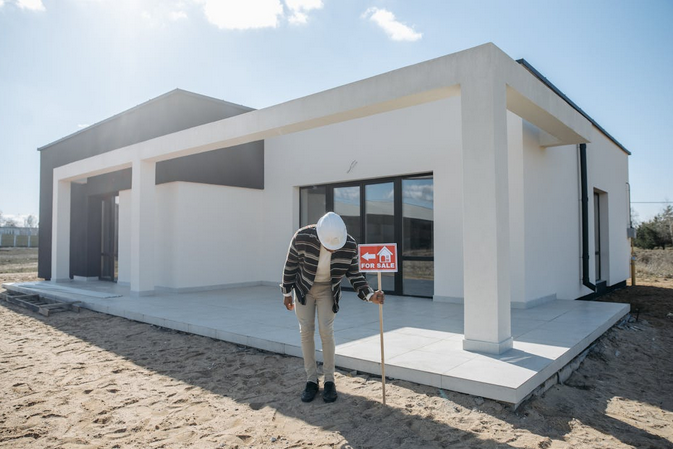
Stepping into the Singapore property market for the first time can be both exciting and overwhelming. With its unique blend of public and private housing, a myriad of regulations, and a dynamic market, it’s crucial to arm yourself with the right information. Emerald Of Katong, for instance, is one of the notable developments that exemplify the fusion of modern amenities and cultural heritage, providing a glimpse into the diverse options available to potential homeowners. This guide will walk you through the essential steps and considerations to make your property-buying journey as smooth as possible.
Understanding the Types of Properties
In Singapore, you’ll encounter a variety of property types, each with its own set of features and regulations:
- HDB Flats: Public housing provided by the Housing and Development Board (HDB). These are more affordable and come with various grants for eligible buyers.
- Executive Condominiums (ECs): A hybrid of public and private housing, offering the amenities of private condos but with initial restrictions similar to HDB flats.
- Private Condominiums: Fully private residential properties with numerous facilities like swimming pools, gyms, and security.
- Landed Properties: Including terrace houses, semi-detached, and detached houses. These are usually more expensive and come with the benefit of owning the land.
Assessing Your Finances

Before you start house hunting, it’s essential to get a clear picture of your financial situation:
- Calculate Your Budget: Consider your savings, monthly income, and any existing debts. Use online calculators to estimate how much you can afford.
- Loan Eligibility: Check your eligibility for a housing loan. The Total Debt Servicing Ratio (TDSR) limits your monthly loan repayments to 55% of your gross monthly income.
- Grants and Subsidies: If you’re buying an HDB flat, explore the various grants available, such as the Enhanced CPF Housing Grant (EHG).
Choosing the Right Location
Location is key in real estate. Think about your lifestyle, work commute, and family needs:
- Proximity to MRT Stations: Properties near MRT stations generally command higher prices but offer convenience.
- Amenities: Consider the availability of schools, healthcare facilities, supermarkets, and recreational options.
- Future Developments: Check the Urban Redevelopment Authority (URA) Master Plan for upcoming developments that could impact property values.
Engaging a Real Estate Agent
A good real estate agent can make your property search more efficient and less stressful:
- Experience and Reputation: Look for agents with a strong track record and positive reviews.
- Knowledge of Market Trends: Ensure your agent knows the latest market trends and regulations.
- Negotiation Skills: A skilled negotiator can help you get the best deal possible.
Understanding the Buying Process

Here’s a step-by-step overview of the buying process in Singapore:
- Property Search: Use online portals to search for listings.
- Viewings and Comparisons: Attend property viewings and compare your options.
- Option to Purchase (OTP): Once you’ve decided, you’ll need to pay a booking fee to secure the OTP, which grants you exclusive rights to purchase the property within a specified period.
- HDB Loan or Bank Loan: Secure your financing. For HDB flats, you can opt for an HDB loan or a bank loan. For private properties, bank loans are the norm.
- Exercise the OTP: If everything checks out, you’ll exercise the OTP by signing the Sales and Purchase Agreement and paying the balance deposit.
- Completion: The transaction typically completes within 8-12 weeks for private properties and around 12 weeks for HDB flats.
Moving in and Settling Down
Once the purchase is complete, it’s time to move in and make the place your own:
- Renovation: Plan your renovations, if any, keeping in mind the budget and timeline.
- Utilities and Services: Set up your utilities, internet, and other essential services.
- Community: Take some time to get to know your neighbors and the local community.
Buying your first property in Singapore is a significant milestone, and with the right preparation, it can be a rewarding experience. Stay informed, seek professional advice when needed, and take your time to make well-considered decisions.