
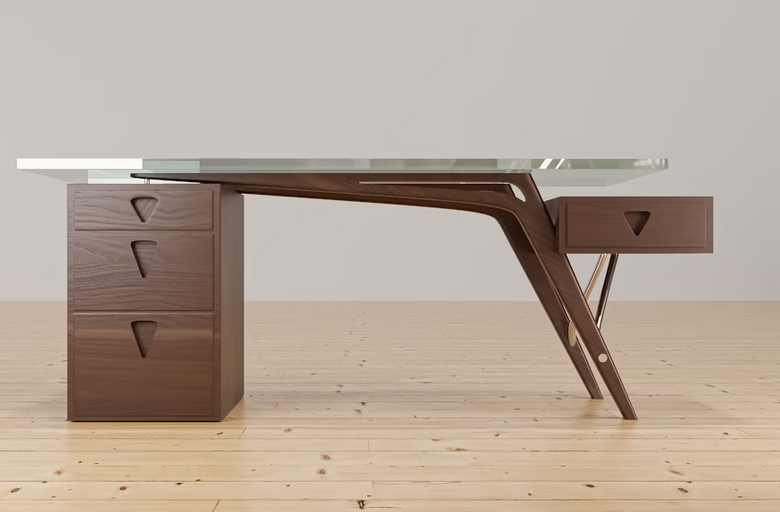
Wooden furniture adds warmth, elegance, and timeless beauty to any home. However, maintaining its appearance and durability requires attention and care. From dining chairs and ta to cabinets and dressers, each piece benefits from regular maintenance to prevent damage from scratches, moisture, and daily use. Caring for wooden furniture involves understanding the proper cleaning methods, protective measures, and occasional refinishing techniques that extend its lifespan. Homeowners who dedicate time to caring for their wood pieces can preserve their investment, maintain aesthetic appeal, and enjoy functional furniture for decades. Below are the top tips every homeowner should follow to care for wooden furniture effectively.
Regular Dusting and Cleaning
Dust accumulation can scratch wood surfaces if not addressed properly. Using a soft, lint-free cloth for dusting helps remove debris without causing damage. Avoid using rough or abrasive materials that can wear down finishes. For deeper cleaning, slightly dampen a cloth with water or a mild wood cleaner to remove grime, then immediately dry the surface with a soft towel. Regular dusting prevents buildup, keeping the furniture looking polished and maintaining the protective finish. Consistency in cleaning routines plays a significant role in preserving wood’s natural beauty.
Protecting From Moisture and Spills

Moisture is a common enemy of wooden furniture, as it can lead to warping, staining, or mold growth. Always wipe up spills promptly to prevent liquid from penetrating the wood. Using coasters, placemats, and tablecloths can reduce direct contact with water or other liquids. Avoid placing furniture too close to windows or humid areas, as exposure to moisture can weaken the wood over time. In kitchens and dining areas, extra precautions are necessary to maintain the integrity of the furniture’s surface.
Using Appropriate Cleaning Products and Polishes
The type of cleaning products used on wood furniture can significantly affect its longevity. Avoid harsh chemicals, ammonia-based cleaners, or excessive water, which can strip finishes and damage the wood. Instead, opt for products formulated specifically for wood care. Polishing occasionally with a high-quality wood polish can help maintain luster and add a protective layer against scratches. However, overuse of polish can lead to a buildup that attracts dust, so moderation is key. Understanding the specific requirements of each wood type is essential for effective maintenance.
Avoiding Direct Sunlight
 Sunlight alters the color and finish of wood over time, causing fading or uneven tones. Placing furniture in a place to avoid direct sunlight or adding curtains and blinds to limit exposure helps protect the surface. Rotating furniture periodically can also distribute sunlight exposure more evenly, reducing the risk of discoloration. Protecting wooden pieces from prolonged sunlight exposure maintains their original appearance and ensures a consistent look across the room.
Periodic Maintenance and Refinishing
Even with careful day-to-day care, wooden furniture can lead to signs of wear, such as scratches, dull finishes, or minor cracks. Periodic maintenance, such as light sanding and refinishing, can restore its original beauty. Applying wax or protective finishes helps extend the lifespan of the furniture while enhancing its appearance. In some cases, professional restoration may be required for valuable or antique pieces. Proactive maintenance ensures that wooden furniture remains functional, attractive, and capable of lasting for generations.
In summary, caring for wooden furniture requires consistent attention and thoughtful maintenance practices. The top five tips—regular dusting and cleaning, protecting from moisture and spills, avoiding direct sunlight, using appropriate cleaning products and polishes, and periodic maintenance and refinishing—provide a comprehensive approach to preserving both the function and appearance of wood pieces. Following these strategies allows homeowners to enjoy the aesthetic warmth and durability of wooden furniture for years to come. By investing time in proper care, furniture can maintain its charm, withstand daily use, and remain a cherished part of the home environment.